

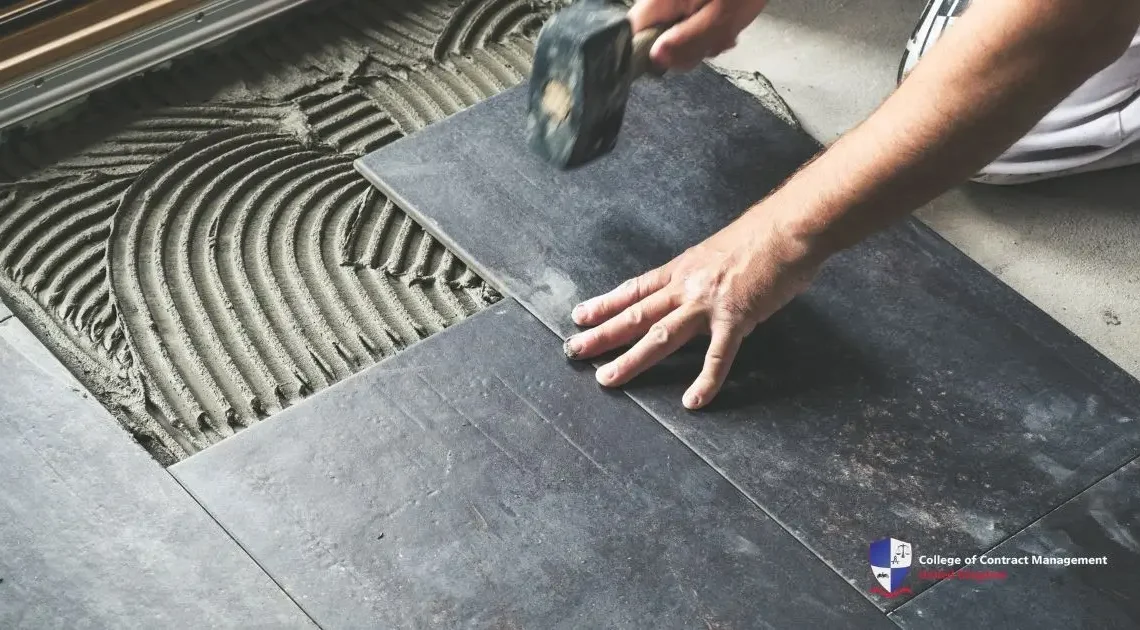
Non-Slip Flooring for Aging in Place Bathrooms: Safety That Doesn’t Look Like a Hospital
August 18, 2026Let’s be honest—bathrooms are beautiful, but they’re also the most dangerous room in the house. Especially as we get older. One minute you’re stepping out of the shower, the next you’re gripping the towel bar like it’s a life raft. And that’s if you’re lucky. The statistics are sobering: falls account for over 80% of injury-related hospitalizations in adults 65 and older, and the bathroom is ground zero. But here’s the thing—aging in place doesn’t mean surrendering to a sterile, clinical space. You can have a bathroom that’s both safe and stunning. The secret? It starts from the ground up—literally.
So, let’s talk about non-slip flooring. Not the ugly, pebbly stuff you see in public pools. I mean modern, tactile, and genuinely grippy surfaces that feel good underfoot and look even better. Because honestly? You deserve to feel secure in your own home, and you shouldn’t have to sacrifice style to get it.
Why Bathroom Floors Turn Into Ice Rinks (And How to Fix It)
Water, soap scum, and smooth tile—it’s a recipe for disaster. The coefficient of friction (that’s the physics term for “grip”) drops dramatically when water gets between your foot and the floor. It’s like driving on wet leaves. Your brain says “move forward,” but your body says “nope, we’re going sideways.”
The good news? You don’t need to rip out your entire floor. But if you’re remodeling—or planning to—choosing the right material from the start is your best bet. And here’s the kicker: not all “non-slip” floors are created equal. Some are just marketing hype. You need to look for the real deal: textured surfaces, high dynamic friction, and materials that actually perform when wet, not just when dry.
The Top Contenders: Non-Slip Flooring Options That Actually Work
Alright, let’s break this down. I’ve tested (and walked on) a lot of flooring. Here’s what stands out for aging in place bathrooms—each with its own personality, pros, and quirks.
1. Textured Porcelain and Ceramic Tile
Porcelain is the workhorse of bathroom flooring. But forget the glossy, mirror-finish stuff. You want matte or textured porcelain with a rating of at least R11 (that’s the European slip-resistance scale—higher is grippier). Some even come with subtle pebbling or wood-grain textures that look amazing but feel like sandpaper underfoot—in a good way.
Pro tip: Look for “through-body” porcelain. That means the color and texture go all the way through the tile, so even if it chips, the slip resistance stays intact. And honestly, it’s easier to clean than you’d think. Grout lines add extra grip, too—so don’t be afraid of smaller tiles.
2. Luxury Vinyl Plank (LVP) and Vinyl Sheet
Vinyl has come a long way, baby. Modern LVP is soft underfoot, warm, and—when you pick the right one—incredibly slip-resistant. The trick is to choose options with a textured wear layer (often called “embossed” or “brushed”). These mimic natural wood grain or stone, and that texture gives your feet something to grab onto.
But here’s the catch: vinyl is only as good as its installation. If it’s not glued down properly, it can buckle and create trip hazards. And some cheaper vinyls get slippery when wet—so always check the manufacturer’s slip rating (look for a DCOF (Dynamic Coefficient of Friction) of 0.42 or higher for wet areas).
3. Cork Flooring
Now, this one’s a bit of a wildcard. Cork is naturally grippy—even when wet, it provides decent traction. It’s also warm, cushioned, and easy on the knees. Perfect if you have arthritis or just hate cold feet at 6 AM. The downside? It’s porous, so it needs a good sealant to prevent water damage. And it can dent if you drop something heavy. But for a low-traffic bathroom? It’s a cozy, safe choice that feels like walking on a forest floor.
4. Rubber Flooring (Yes, Really)
I know what you’re thinking—rubber? Like a gym? But hear me out. Modern rubber flooring comes in sleek, matte finishes that look like concrete or stone. It’s the most slip-resistant option out there, bar none. Water beads on it, and your feet stay planted. Plus, it’s soft, so if you do fall, you’re hitting something forgiving. The downside? It can have a slight rubbery smell at first, and it’s not everyone’s aesthetic. But for safety? It’s the gold standard.
5. Natural Stone with a Honed Finish
Travertine, slate, or limestone—when they’re honed (that means matte, not polished), they offer excellent traction. The natural pits and fissures in the stone act like tiny suction cups. It’s luxurious, timeless, and surprisingly grippy. But—and this is a big but—stone is porous. You’ll need to seal it regularly to prevent staining and mold. And some stones can feel cold, so consider adding radiant floor heating underneath. That’s a splurge, but honestly? It’s worth every penny.
What to Avoid Like the Plague
Let’s talk about what not to put in an aging-in-place bathroom. High-gloss polished marble? Gorgeous, but it’s basically a skating rink when wet. Large-format glossy tiles? Same problem—they look sleek but offer zero grip. And anything with a “smooth” finish, even if it claims to be slip-resistant, is a gamble. Also, be wary of very dark floors. They hide water spots, sure, but they also hide soap scum, which is slippery. And for aging eyes, contrast matters—you want to see where the floor ends and the wall begins.
The Little Extras That Make a Huge Difference
Flooring is only half the battle. Here’s where you can really dial up the safety without it looking like a hospital ward:
- Use a mat with a rubber backing—but make sure it’s a low-profile one. Thick, fluffy mats can actually be trip hazards. Look for “non-slip bath mats” with a textured surface.
- Install a bench or shower seat—even a fold-down one. It gives you a place to sit while drying off, which reduces the chance of a fall.
- Add grab bars—but choose decorative ones. They come in brushed nickel, matte black, even wood-grain finishes. They’re not just for the shower; put one near the toilet and by the sink.
- Consider a curbless shower—no step to trip over. It’s a game-changer for wheelchair users or anyone with balance issues.
And here’s a sneaky one: lighting. A well-lit bathroom prevents falls. Motion-sensor night lights are cheap, effective, and you never have to fumble for a switch in the dark.
Ratings and Standards—What Do All Those Numbers Mean?
You’ll see terms like R10, R11, DCOF, and COF thrown around. Let me translate:
| Rating | What It Means | Best For |
|---|---|---|
| R10 | Moderate slip resistance | Dry areas, entryways |
| R11 | Good slip resistance | Wet bathrooms, showers |
| R12+ | High slip resistance | Commercial kitchens, ramps |
| DCOF ≥ 0.42 | Wet traction threshold | Shower floors, bathroom zones |
For a bathroom, you want at least R11 or a DCOF of 0.42 or higher. Don’t settle for less. And if you’re buying online, check the fine print—some manufacturers list “slip-resistant” but don’t provide the actual rating. If they don’t show the numbers, assume it’s not good enough.
Installation Matters More Than You Think
You can buy the grippiest tile in the world, but if it’s laid poorly, it’s useless. Uneven grout lines, lippage (where one tile is higher than the next), or a too-smooth grout can all create trip hazards. Hire a professional who has experience with slip-resistant materials. And ask them to use a sanded grout—it adds extra traction. Also, make sure the floor has a slight slope toward the drain in the shower area. Water that pools is water that makes things slippery.
One more thing—transition strips. If you’re going from a bathroom floor to a hallway carpet, the transition should be flush. That little lip between rooms is a classic trip point. A smooth, beveled transition strip solves that.
Maintenance: Keeping the Grip Alive
Here’s the thing about non-slip floors—they work, but only if you keep them clean. Soap scum and body oils build up and create a film that reduces friction. It’s like putting wax on a car—smooth and shiny, but slippery. So, use a pH-neutral cleaner (avoid harsh acids or bleach) and scrub with a soft brush weekly. For textured tile, a stiff-bristled broom helps get into the grooves. And never use a “shine” or “polish” product on slip-resistant floors. That defeats the whole purpose.
Also, check your mats and rugs regularly. The rubber backing degrades over time, and a mat that used to be non-slip can become a hazard. Replace them every couple of years. It’s a small cost for peace of mind.
Budget-Friendly Fixes That Work Right Now
Not ready for a full remodel? I get it. That’s a big project. But you can still improve safety today:
- Apply anti-slip coating—there are clear, matte coatings you can brush onto


